
Quick Summary
A Transport Management System helps UK 3PL operators reduce toll-related transport costs through smarter routing, visibility, and load planning.
Key Takeaways
- Rising UK toll charges are creating major cost pressure for 3PL operators.
- A TMS improves route planning, cost visibility, and transport efficiency.
- Real-time rerouting helps avoid unnecessary toll and congestion costs.
- Connecting TMS and WMS improves load consolidation and reduces empty miles.
- Better operational visibility helps logistics teams protect margins and control spend.
UK 3PL operators have been feeling the pressure of rising toll charges across the country. For fleets running regular routes with HGVs, these increases quickly turn into thousands of pounds lost each year. Nothing in the operation has changed. The only difference is the price of using the same essential roads. In an industry already working with tight margins, these increases hit hard.
Many operators are now asking a simple question: how can they stop tolls from eating into profits when the charges keep rising? The answer lies in taking stronger control of route planning, visibility and cost accuracy. And that is exactly what a Transport Management System helps deliver.
Before exploring what a TMS can change, it is worth understanding the real scale of toll exposure and why it keeps catching transport teams out.
What Is a Transport Management System and What Does It Actually Control?
A Transport Management System is the central platform that manages planning, routing, dispatching and cost tracking for every journey. Instead of planners juggling spreadsheets, emails and phone calls, the TMS becomes the single source of truth.
A TMS directly influences four major cost drivers:
- Route planning
- Toll and charge tracking
- Load optimisation
- Carrier rate management
These areas have an immediate impact on cost per delivery and overall margin. The TMS shows the true cost of each journey before the vehicle leaves the depot, which limits surprises later.
For clarity, a TMS manages what happens on the road. A Warehouse Management System manages customer stock, picking and dispatch inside the warehouse. The two are separate, but when connected, they amplify each other’s strengths.
How Much Are Rising UK Toll Charges Actually Costing Fleets?
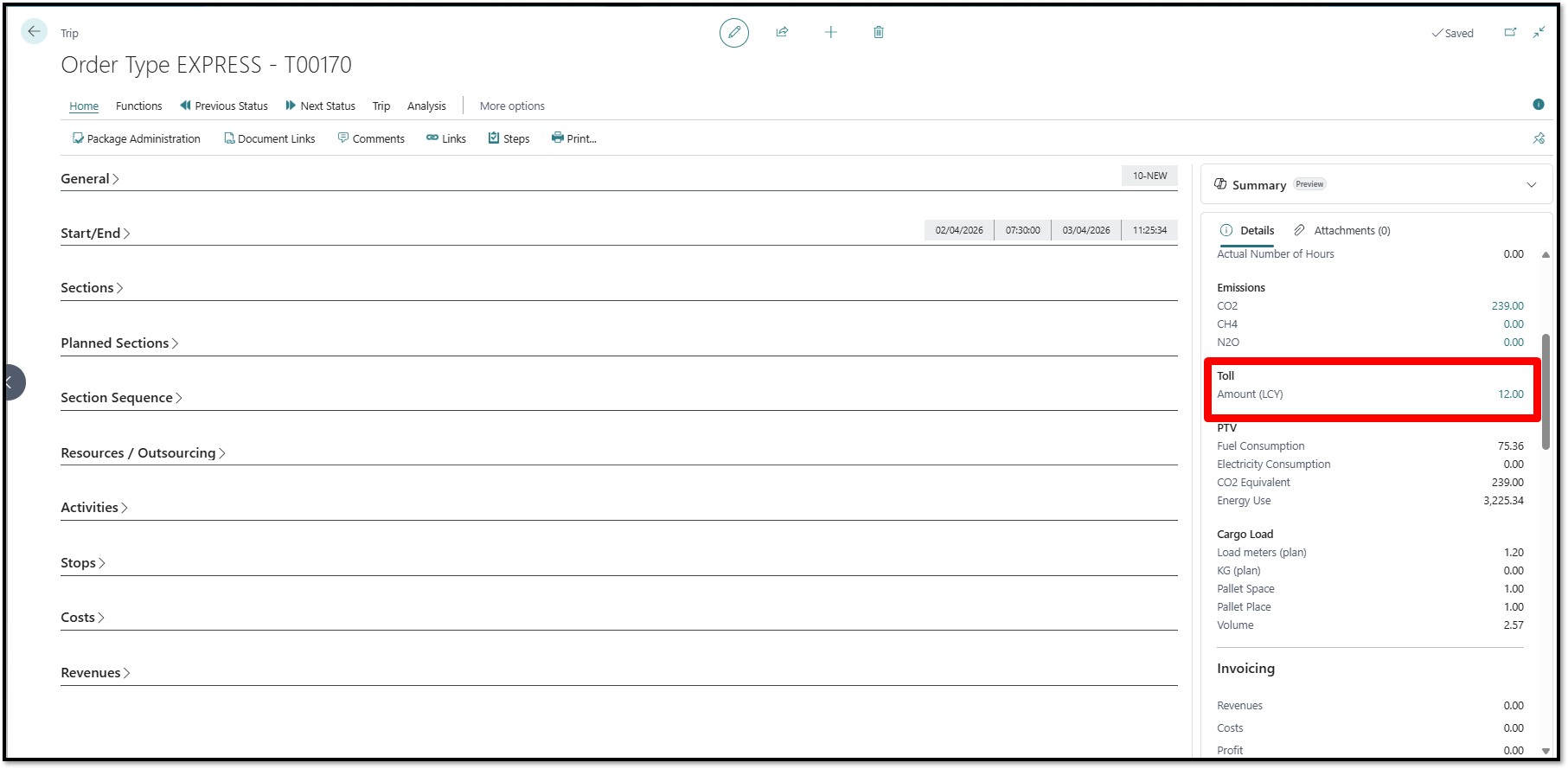
Toll costs often feel small when viewed per trip, but they escalate quickly across a multi‑vehicle fleet. If a fleet of 20 HGVs passes through a charging point several times a week, the total number of annual crossings becomes significant. Multiply each crossing by the latest toll rates and the annual cost becomes far higher than most planners expect.
This expense increases even more when other charges are layered in, such as congestion zones or emissions zones. For many operators, tolls have become one of the most unpredictable parts of the transport budget. When margins are already narrow, even a small jump in toll rates can erase profitability on certain routes.
These tolls are unavoidable when certain roads are required. What operators can control is how often they use those routes and whether unnecessary crossings can be reduced. A TMS gives operators that level of control.
How Does a TMS Reduce Transport Costs When Toll Charges Rise?
A TMS helps reduce transport costs in three clear, practical ways that directly impact daily operations.
Intelligent re-routing
Boltrics TMS uses geocoding to select the shortest route. By converting addresses into precise geographic coordinates, geocoding enables the system to accurately map locations and determine the most efficient path for deliveries or warehouse operations, ultimately improving productivity and reducing transportation costs.
Smarter load consolidation
The system delivers visibility and valuable data, allowing planners to identify consolidation opportunities. Ultimately, it is up to the planner to evaluate the information and make the decision on vehicle allocation and toll spend.
Real‑time rerouting during live operations
During the day, conditions change. Roads close, traffic builds and customers adjust requirements. Without a TMS, decisions fall to drivers on the road. This is when unplanned toll costs appear.
Boltrics TMS supports/enables real-time rerouting by providing visibility and tools for planners to make decisions.
Together, these three mechanisms create a consistent, controlled approach to transport cost management, even when tolls rise.
Are Rising Toll Charges Cutting Into Your Margins?
Gain better control over route planning, transport visibility, and operational costs with a connected TMS solution.
What Does TMS‑Driven Cost Visibility Look Like?
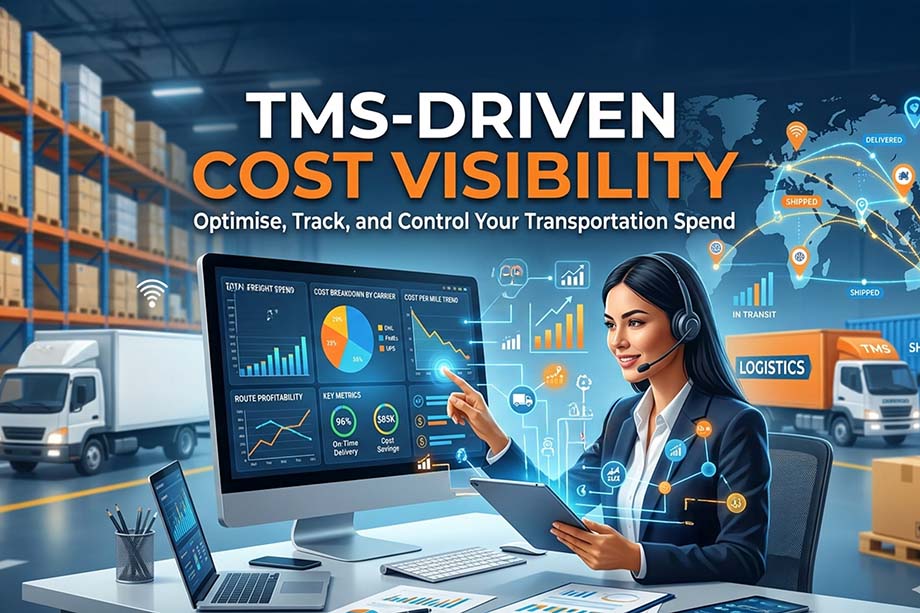
Visibility is one of the biggest advantages of implementing a TMS. With manual methods, identifying where extra costs came from can take days. With a TMS, those answers appear instantly.
A typical cost dashboard offers:
- Cost per delivery
- Planned cost versus actual cost
- Carrier rate compliance
- Identification of recurring overspend
This gives operators clarity over where profit is slipping and where immediate improvements can be made. For many fleets, the first time they see a clear breakdown of toll spend is when they implement a TMS. Once the numbers are visible, it becomes far easier to make changes that stick.
Why 3PLs Gain Even More When TMS Connects to WMS?
Many 3PL operators run both warehouse and transport functions, which means a lot of interdependent processes. When these systems are disconnected, information moves slowly and dispatch decisions are often based on incomplete data.
For example, the warehouse may pick multiple orders for the same customer route at different times. If the TMS does not see these picks in real time, planners may dispatch several vehicles when only one was needed. Each additional journey increases toll costs unnecessarily.
When the TMS and WMS are connected, the transport team always knows what is ready in the warehouse. This allows the system to consolidate loads automatically, optimise dispatch timing and reduce empty miles. Fewer journeys mean fewer toll crossings and stronger control over transport spend.
For operators using Dynamics 365 in the warehouse, adding a connected TMS gives them a single, unified source of operational truth.
Take Control of Transport Costs Before They Escalate Further
See how a connected TMS and WMS strategy can reduce unnecessary journeys, improve planning, and strengthen profitability.
Tolls Are Rising! A Modern TMS Helps Keep Them Under Control
Tolls and urban charges will continue to increase, but the impact on each fleet does not have to. A modern TMS ensures that rising tolls remain a manageable line item rather than an ongoing threat to profitability.
When transport and warehouse systems work together, the benefits multiply and operators regain full control over the financial performance of every route.
For 3PL operators looking to reduce avoidable spend and strengthen operational resilience, reviewing how a TMS supports route planning, visibility and integration is the most practical next step.
Why UK 3PL Operators Choose Mercurius IT ?
UK logistics businesses often choose Mercurius IT because of its combination of industry expertise, Microsoft accreditation and predictable delivery. The organisation brings experience with both warehouse and transport operations and has delivered hundreds of projects for UK companies.
Its fixed price implementation model is especially important for operators looking to modernise without facing open-ended project costs. The approach gives 3PLs clarity, confidence and a system that supports daily operational realities.
Frequently Asked Questions
How does a Transport Management System reduce toll costs?
A TMS improves route planning, load consolidation, and real-time rerouting to help reduce unnecessary toll crossings and transport expenses.
What is the difference between a TMS and WMS?
A TMS manages transport planning, routing, and delivery execution, while a WMS manages warehouse inventory, picking, and dispatch operations.
Can a TMS improve visibility into transport costs?
Yes. A TMS provides real-time visibility into planned versus actual transport costs, toll spend, delivery costs, and carrier performance.
Why should 3PL operators connect TMS and WMS systems?
Connecting TMS and WMS improves load consolidation, dispatch planning, operational visibility, and reduces unnecessary journeys and costs.
How does real-time rerouting help logistics operations?
Real-time rerouting helps planners respond to traffic, road closures, and operational changes quickly to reduce delays and avoid extra costs.