
Dynamics 365 FSCM 2026 Wave 1: What Businesses Should Think About Before Moving from Legacy Software
Many organisations using Microsoft Dynamics 365 Finance & Supply Chain Management still struggle with disconnected planning processes, manual financial operations, limited supply chain visibility, and inefficient warehouse coordination. This often leads to delays, reduced operational agility, forecasting challenges, and increased manual effort across finance and operations.
With the 2026 Release Wave 1, Microsoft introduces enhanced AI capabilities, Agentic ERP experiences, intelligent automation, and advanced analytics across finance, supply chain, warehouse management, planning, and procurement – helping organisations improve efficiency, make faster decisions, and optimise business performance.
Watch this 50-minute webinar recording to see how Mercurius IT explains these updates in a practical way and helps organisations understand how to turn the latest Dynamics 365 FSCM capabilities into measurable business outcomes.
Key Takeaways
- The common challenges organisations face with manual finance, planning, and supply chain processes
- How Dynamics 365 FSCM 2026 Wave 1 uses AI, automation, and Agentic ERP capabilities to improve productivity
- What MCP-powered analytics, intelligent planning, and ERP automation look like in practice
- Key updates across Finance, Supply Chain Management, warehouse operations, and procurement
- How automation can improve inventory visibility, supplier collaboration, and financial operations
- How intelligent analytics and AI-driven insights support faster decision-making
- What a practical ERP adoption and optimisation roadmap looks like
Speaker Spotlight
Shantanu Patel
Senior Manager, D365 Finance and Operations Functional
Access Now
Further Reading
Take a look at our previous blog posts that you may be interested in.
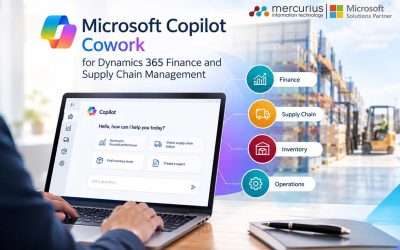
Microsoft Copilot Cowork for Dynamics 365 Finance and Supply Chain Management
Quick Summary Copilot Cowork is Microsoft's new agentic layer inside Microsoft 365. It connects to Dynamics 365 Finance & Supply Chain Management through a governed MCP server. Copilot Cowork connects Microsoft 365 with Dynamics 365 F&SCM to execute multi-step...
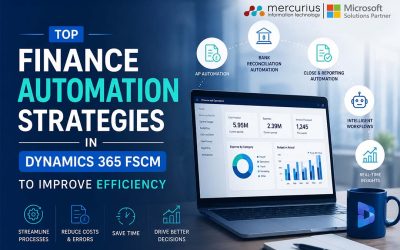
Top Finance Automation Strategies in Dynamics 365 FSCM to Improve Efficiency
Quick Summary Dynamics 365 FSCM automates finance operations to improve accuracy, accelerate reporting, strengthen compliance, and increase operational efficiency. Key Takeaways Automate invoice processing and approvals to reduce finance delays. Improve cash flow...

AX to FSCM Upgrade: Why UK Manufacturers Who Delay Past 2026 Will Pay 3x More Than Those Who Move Now
Quick Summary Delaying a Dynamics AX to Dynamics FSCM upgrade increases costs, compliance risks, and migration complexity. Early planning helps manufacturers reduce disruption, control budgets, and modernise confidently. Key Takeaways Delaying a Dynamics AX upgrade...